
Differences Between Hajj and Umrah: What Every Muslim Should Know
By Dua Travels
Table of Contents
- Umrah: A Journey to Renew Your Faith
- The Historical Significance of Umrah
- Spiritual Rewards of Performing Umrah
- Key Worships and Parts of Umrah
- Hajj: The Fifth Pillar of Islam
- Historical Background of Hajj
- The Divine Zamzam
- Day of Tarwiyah: Gathering in Mina
- Day of Arafah: 9th Dhul-Hijjah
- Muzdalifah: The Night of 10th Dhul Hijjah
- Rami and Hady (10th Dhul Hijjah – Eid al-Adha Begins)
- Eid al-Adha
- Trimming the Hair (10th Dhul Hijjah)
- Overnight Stay in Mina (11th–12th Dhul Hijjah)
- Third Day of Rami (12th Dhul Hijjah)
- Tawaf al-Wida (Farewell Tawaf)
- Hajj vs. Umrah: What You Need to Know
To understand the difference between Hajj and Umrah, it’s important to first learn about each of these religious acts of worship individually. Both are holy practices of worshiping to Allah Almighty.
Umrah: A Journey to Renew Your Faith
Umrah is a devotional practice that is performed by the Muslim community anytime in the year. It is considered as a short Hajj, but unlike Hajj it can be performed whenever you want. This peaceful journey of worship gets even more grateful with staunch belief in Allah, his prophet Muhammad (PBUH) and his sayings. The pilgrimage incorporates significant rituals such as Ihram, Tawaf, Sa’i, and Halq or Taqsir, each portraying deep devotion and wholehearted worship to Allah.
ثُمَّ أَفِيضُواْ مِنۡ حَيۡثُ أَفَاضَ ٱلنَّاسُ وَٱسۡتَغۡفِرُواْ ٱللَّهَۚ إِنَّ ٱللَّهَ غَفُورٞ رَّحِيمٞ
Summa afeedoo min haisu afaadan naasu wastagh firullah; innal laaha Ghafoor ur-Raheem
Translation
Then depart from the place from where [all] the people depart and ask forgiveness of Allah. Indeed, Allah is Forgiving and Merciful.
The Historical Significance of Umrah
After Islam was introduced, Prophet Muhammad (PBUH) brought the true meaning and the way of performing Umrah with the belief in one God. He highlighted the actual method and spiritual value of Umrah. Prophet Muhammad (PBUH) did Umrah for the first time in the year 6AH, along with 2,000 of his followers. He performed Umrah several times, showing Muslims the right way to perform it. The most significant historical event in Umrah was the Treaty of Hudaybiyyah, when the Muslims wanted to perform Umrah but were stopped from entering Makkah by the clan of Quraysh. An agreement was signed between both, to come back the next year. This resulted in the first peaceful Umrah after years of tension and sacrifices.
Spiritual Rewards of Performing Umrah
Umrah portrays a pilgrim’s faith and sincerity toward Allah and his Prophet (PBUH). Offering Umrah helps you to gain spiritual values, peace, and renewal of faith. Umrah also highlights the unity of Muslim community gathered to perform the same rituals in harmony and balance. The rewards of performing Umrah include removal of sins, renewal of faith, increased spiritual insight and values. It is believed that performing Umrah with sincerity and good will brings blessing (barakah), health, and wealth in one's life.
Key Worships and Parts of Umrah
Umrah consists of four main holy rituals that are performed in a specific order including
Ihram, Tawaf, Sa’i, and Halq or Taqsir.
Ihram
It is a religious state that Muslims enter before starting their spiritual pilgrimage.
In this practice men wear Ihram and women prefer wearing modest clothing. Here pilgrims offer the niyyah and recite the talbiyah.
Tawaf
Tawaf is known as a holy practice in which pilgrims are circling the Kaaba seven times in an anticlockwise direction. Each circle starts and ends at the point where Hajr-e-Aswad (Black Stone) is placed.
Sa’i
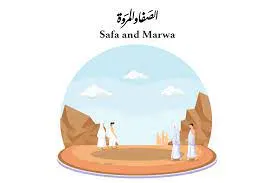
The walk between hills of Safa and Marwah seven times inside Masjid-e-Haram is known as Sa’i. It signifies the struggle of Hajar (RA) in search of water for Ismail (AS). This place holds historical significance of Islam and the hardships Muslims faced back in the time.
Halq or Taqsir
The shaving of hair is Halq and trimming a part of hair is Taqsir for men. While women trim a few inches of their hair.
Hajj: The Fifth Pillar of Islam
Hajj lies in the holy month of Dhul-Hijjah and follows important rituals that were declared by the Prophet Muhammad (PBUH) and founded in the tradition of Prophet Ibrahim (AS). Hajj being a fifth islamic pillar profoundly embodies the sacrifices of Prophet Ibrahim (AS), Hajar (RA), and Ismail (AS) The practices performed during Hajj celebrate their devotion, sacrifice, and trust in Allah. Later, Prophet Muhammad (PBUH) modified and perfected these rites, making Hajj a complete act of worship. Hajj is an obligatory practice that helps one get rid of the previous baggage and sins, turning your life in a complete new state with blessings and guidance of Allah.
Note: Planning to perform Hajj from the UK? Learn through this easy step-by-step guide covering all essential points, tips, and preparations for a spiritually devoted journey.
Historical Background of Hajj
The beginning of Hajj was discovered back when the Kaaba was a great holy stone structure established by Hazrat Ibrahim (AS) and his son Ismail (AS) around the pious site of Zamzam well. The Kaaba was marked as the central place for Muslims to gather and perform holy rituals and worship Allah. Over the years, the Kaaba was beautifully established, and Muslims regularly performed worship there. However, the original purpose shifted when idol worshippers took command, introducing polytheistic rituals and practices. At that time, the Kaaba became filled with idols, and its true essence was lost under the dominance of idol worshipers.
The Divine Zamzam
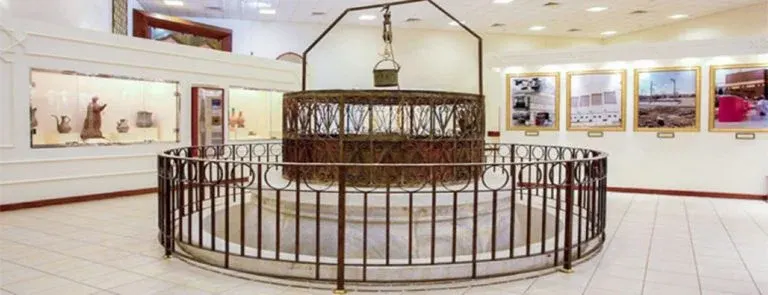
Zamzam, a symbol of Allah’s mercy and provision. Prophet Ismail (AS) being a true worshiper, following Allah’s command on leaving his wife and son Ismail (AS) in the desert of Makkah with almost no food and water. Hajar (RA) in sorrow ran in search of water between the pious hill of Safa and Marwah.
۞إِنَّ ٱلصَّفَا وَٱلۡمَرۡوَةَ مِن شَعَآئِرِ ٱللَّهِۖ فَمَنۡ حَجَّ ٱلۡبَيۡتَ أَوِ ٱعۡتَمَرَ فَلَا جُنَاحَ عَلَيۡهِ أَن يَطَّوَّفَ بِهِمَاۚ وَمَن تَطَوَّعَ خَيۡرٗا فَإِنَّ ٱللَّهَ شَاكِرٌ عَلِيمٌ
Innas Safaa wal-Marwata min sha'aaa'iril laahi faman hajjal Baita awi'tamara falaa junaaha 'alaihi ai yattawwafa bihimaa; wa man tatawwa'a khairan fa innal laaha Shaakirun'Aleem
Translation
Indeed, as-Safa and al-Marwah are among the symbols of Allah. So whoever makes Hajj to the House or performs 'umrah - there is no blame upon him for walking between them. And whoever volunteers good - then indeed, Allah is appreciative and Knowing.
As a result of Hajar's faith and devotion, a miracle happened and Allah Almighty gifted them a magical spring (Zamzam). This miraculous event became a source of provider for Hajar and Ismail (AS) and also attracted the people with this wonder to believe in the divine power of Allah.
Day of Tarwiyah: Gathering in Mina
On the 8th of Dhul-Hijjah (Tarwiyah), pilgrims begin the formal rituals of Hajj by arriving in Mina. Here, they shift into tents designated for their stay and perform shortened prayers according to the Hajj regulations. The purpose of this day is to spiritually and physically prepare for the essential rituals that will take place the following day in Arafat. The stay in Mina represents the beginning of the religious journey and serves as a time of consideration, faithfulness, and willingness for the most significant acts of worship during Hajj.
Day of Arafah: 9th Dhul-Hijjah
After pilgrims depart for the religious plains of Arafat reciting Istighfar, asking for Allah’s forgiveness and guidance. The Day of Arafah, holds spiritual significance and is considered the peak point of the Hajj pilgrimage. Upon arrival at Arafat, near Mount Arafah, pilgrims perform the shortened Dhuhr and Asr prayers, combining them during the time of Dhuhr. It is highly recommended to attend or listen attentively to the Khutbah if possible, as it serves as a profound reminder of the purpose and spirit of Hajj.
Muzdalifah: The Night of 10th Dhul Hijjah
In Muzdalifah Maghrib and ‘Isha prayers are combined and shortened. They rest under the open sky and gather pebbles for the ritual stoning.
Rami and Hady (10th Dhul Hijjah – Eid al-Adha Begins)
Pilgrims proceed to Mina to perform Rami by throwing seven stones at Jamarat al-Aqaba, symbolizing resistance and rebellion against Shaytan. This is followed by the Hady (sacrificial offering). The day coexists with the start of Eid al-Adha.
Eid al-Adha
Muslims worldwide celebrate Eid al-Adha by performing Qurbani in memory of Prophet Ibrahim’s (AS) obedience and sincerity to Allah’s directions and commands. This act reflects commitment, sacrifice, and compassion for others, mainly the needy.
Trimming the Hair (10th Dhul Hijjah)
After the sacrifice, male pilgrims shave or trim their hair, while females cut a fingertip-length. This symbolizes spiritual renewal.
Tawaf al-Ifadha and Sa’i
Pilgrims return to Masjid al-Haram to perform Tawaf al-Ifadha, followed by Sa’i. These important rituals of Hajj mark the completion of its major rites.
Second Day of Rami
Pilgrims perform Rami at all three Jamarat: al-Ula (small), al-Wusta (middle), and al-Aqaba (large), throwing seven stones at each. Pilgrims recite Takbir with each throw. This ritual is in remembrance of Ibrahim’s rejection of Shaytan.
Overnight Stay in Mina (11th–12th Dhul Hijjah)
Following the stoning (Rami), pilgrims return to their tents in Mina, where they spend the night engaged in worship. Remaining in Mina is a Sunnah.
Third Day of Rami (12th Dhul Hijjah)
Pilgrims perform the stoning at all three Jamarat with seven stones each. After completing the ritual, they may choose to leave Mina before sunset, concluding their Hajj, or remain for an optional fourth day.
Tawaf al-Wida (Farewell Tawaf)
Before leaving Makkah, pilgrims perform the Farewell Tawaf, circling the Kaaba seven times and offering two rakat. It is obligatory for those departing the city and marks the spiritual closure of the pilgrimage journey.
Hajj vs. Umrah: What You Need to Know
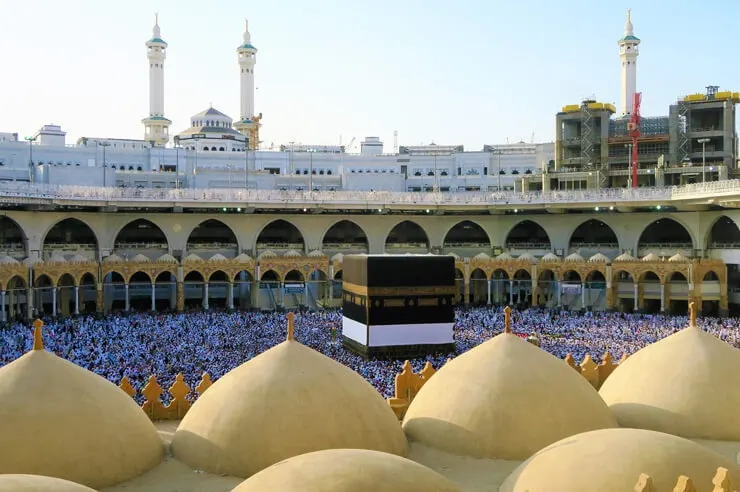
Hajj and Umrah are two different forms of pilgrimage in Islam, both involving travel to the holy city of Makkah and the performance of religious rituals. However, they differ significantly in terms of worship, timing, and structure.
Hajj is a once-in-a-lifetime obligation for every Muslim. It is performed each year in the Islamic month of Dhul-Hijjah, from the 8th to the 13th, and involves a series of prescribed rituals over several days, such as standing at Arafah, performing the stoning at the Jamarat, and offering a sacrificial animal (Qurbani).
Umrah, on the other hand, is a voluntary act of worship that can be performed at any time of the year. While it includes some of the core rituals of Hajj , such as Tawaf and Sa’i. It does not involve travel to Mina, Arafah, or Muzdalifah, and does not include the stoning ritual or sacrifice.
Hajj is a comprehensive pilgrimage with both physical and spiritual obligations, while Umrah is a shorter and more flexible form of worship that holds great importance but is not compulsory.